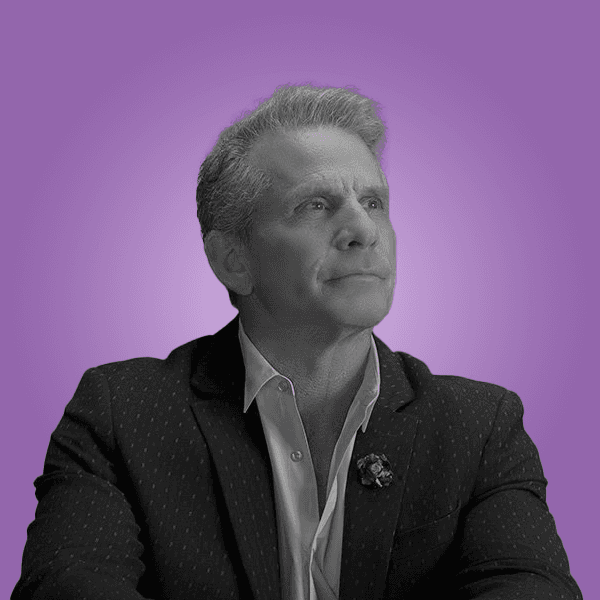
David Coles had watched the financial planning industry change for two decades: technology flattening the playing field, differentiation collapsing into table stakes. What could not be commodified was the relationship — the human work in the room with a client. He brought Felis la Fleur in to look at that work from the outside; what Felis saw was a pattern neither David nor Scott had named, having been inside it too long to see its shape.
The majority of time in client meetings was spent on intimate life experiences: a child’s crisis, a marriage ending, a parent’s decline, a career redefining who someone understood themselves to be. Clients were not bringing portfolios into the room; they were bringing their lives. None of the reporting accounted for it — financial strategies were disconnected from the emotional insight that motivated them, and advisor performance was measured by portfolio growth alone, never by the quality of help provided through the moment that actually mattered.
Scott Coles had spent four decades on this same premise: a client’s subjective life as the most important input to their plan, with no instrument to account for it. The three of them set out to build one — not a wellness layer bolted onto financial planning, but a codification of the approach that was already producing the best outcomes: research-backed methods that made the subjective insights not just visible, but measurable and actionable.
It is one thing to measure what a person feels. It is another to feel it, orient to the situation, and act.
That is what Human Wealth was built to produce.